We can talk about drugs without breaking trust
Calm scripts and safety plans for nights out and festivals. No lectures. No scare stories. Just ways to keep them safer and keep the door open.
Start here
Three simple things you can do this week to make the next conversation easier.
Keep it age-appropriate and build it up over time. If they can hear it online or at school, they can hear it safely from you first.
Avoid “how-to” detail. Ask what they already know, set clear boundaries, and repeat the message. “I’m here to keep you safe.”
A code word or emoji, meeting points, transport home, and a “get help early” rule reduces panic and increases honest help-seeking.
Pause and remember this
If you only remember one thing, remember this. If something goes wrong, honesty saves time. Time saves lives.
The questions most parents ask
Five questions that come up again and again. Built to keep things calm and focused on safety.
- Decide your approach in advance.
- Keep it brief if you share anything.
- Bring it back to them. “What made you ask?”
- Teach simple scripts. “No thanks.” “Not tonight.” “I’m driving.” “I’ve got training tomorrow.”
- Give them an out they can blame on you. “My parents will pick me up. No questions.”
- Agree a code word or emoji for “Get me now.”
- Stay neutral. “It can feel like that, but not everyone does.”
- Ask where it’s coming from. Friends, social media, school.
- Keep it about their choices and their safety, not arguing stats.
- Keep it a safety and health chat, not a moral one.
- Talk impacts they’ll recognise. Sleep, anxiety, focus, motivation, money.
- Ask calmly if it’s around them and if they’ve been offered it.
- Safety first. Stay calm. Do not storm in.
- Pick a planned time to talk. Aim for consequences that reduce risk.
- If you suspect coercion, dealing, or serious risk, get advice quickly.
Say it like this
Keep it short. Stay calm. Keep it about safety.
Opening line
“I’m not here to judge you. I’m worried about your safety. Can we talk for five minutes?”
If they shut down
“We don’t have to do this now. I’m here when you’re ready. I care about your safety, not getting you in trouble.”
No-questions pickup plan
Agree a code word or emoji. If they send it, you collect them. No lecture in the moment. Talk later when everyone is safe.
Ask Miss K
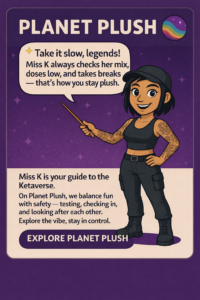
Miss K gives straight answers. No judgement. Just clear, safety-first advice and conversation starters.
- How to start the conversation without sounding like a cop.
- What to say if they admit they’ve tried something.
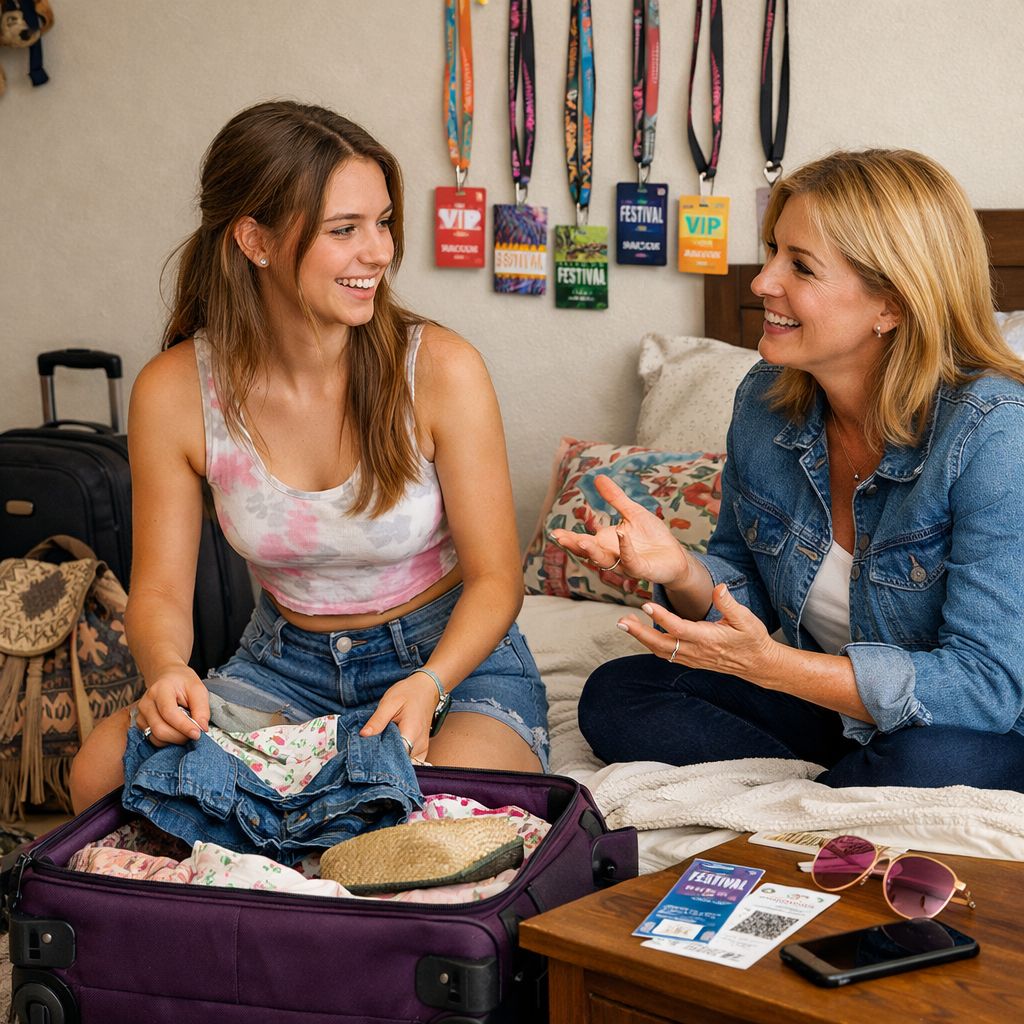
- Festival and party safety plans and pickup code words.
- How to explain risks calmly and clearly.
Before they go out
A simple plan means less panic and faster help if something goes wrong.
- Stay with friends. No solo missions.
- Set meeting points. Add a backup point.
- Charged phone plus portable charger.
- Transport home planned before they leave.
- Find welfare and medics as soon as they arrive.
- Make early help-seeking non-negotiable.
- If anything’s taken, honesty helps medics act faster.
- Mixing substances and alcohol increases unpredictability and risk.
- If something goes wrong, tell an adult or medic exactly what happened.
When to get backup
You don’t have to wait for a crisis to get advice.
- If use is ongoing, mental health is slipping, or risk is rising.
- If you suspect coercion, exploitation, or unsafe environments.
- If there has been a medical incident, get professional support.
- If your gut is screaming at you, it counts. Get advice early.
What changes should I actually look for
Do not try to diagnose. Look for patterns. Then start a calm, safety-first chat.
One difficult week or bad mood rarely means substance use. Look for repeated changes over time.
- More secretive, more defensive, more shutting down than usual.
- Big mood swings that keep repeating.
- More risky decisions, more arguments, more impulse.
- Sleep changes that stick around.
- Appetite changes, weight change, looking run down.
- More illness, more headaches, more “I feel rough” days.
- Money going missing or constant “can I borrow” requests.
- New friendship group plus sudden secrecy.
- More lying about where they are, or who they’re with.
What to do with this
Pick one thing you have noticed and name it calmly. Ask one open question. Then offer a safety plan, not a lecture.
“I’ve noticed you’ve been getting in late and you seem wiped out. Are you ok. Anything going on that I should know about to keep you safe?”
Emergency red flags
If you’re unsure, act early.
If your child calls because a friend is unwell, tell them do not leave the person alone. Get staff or medics immediately. If symptoms are severe, call 999.
Look after your mates. Look after yourself. RaveSafe and we'll see you in the fields.